
|
|
October 9, 2026
|

Hello Friends,
Every October my inbox turns into one long subject line, Open Enrollment Is Here. For years I clicked through mine about as fast as I possibly could, same plan as last year, same everything, done in under two minutes flat.
Turns out fast is not the same as smart.
This year I actually sat down with my packet and my coffee and read the thing start to finish. I switched to a plan with a lower deductible that fits how my family actually uses it, and I bumped up what I put into my HSA before the new year limits reset. I also caught a free gym reimbursement I never knew I had.
Total difference for the year? Almost $600, just from paying attention for twenty minutes instead of clicking through on autopilot.
Open enrollment only comes around once. Miss the window and you are stuck with whatever you picked, ready or not, for the next twelve months.
I closed my laptop that night feeling like I had actually gotten something done, not just checked a box off my list.
Be Well,
Anisa
Please add anisa@gophercentral.com to your address book or visit here.
|
|
Why Open Enrollment Matters
|

|
|
Photo: Twenty minutes spent actually reading my open enrollment packet this fall ended up saving my family almost $600 for the year.
|
|
Most of us treat open enrollment like a form to get through, not a decision that actually matters. Clicking renew on autopilot feels easier, but it often means staying on a plan that no longer fits your life, missing a bigger employer HSA match, or letting money you already set aside in an FSA disappear at the end of the year.
None of this shows up as an obvious loss. There is no bill in the mail for the discount you never claimed. It just quietly costs you more all year long, a little at a time, until enrollment rolls back around and you do the exact same thing again.
|
How To Do It
|
|
1. Pull last year's plan next to this year's.
Compare deductibles, premiums, and out of pocket maximums side by side instead of assuming nothing changed.
2. Add up what you actually spent on health care last year.
A quick scroll through statements or receipts tells you whether a higher premium with a lower deductible would have actually saved you money.
3. Max out your HSA if you qualify.
Contributions lower your taxable income and roll over year to year, so this is free money you can set and mostly forget.
4. Spend down your FSA balance before it resets.
Unlike an HSA, most FSA money does not carry over, so check your balance and use it on eligible expenses before the deadline.
5. Double check your beneficiaries and dependents.
Life changes like a marriage, a new baby, or a move can quietly fall out of date if you never revisit this paperwork.
6. Ask about the extras you are already paying for.
Gym reimbursements, mental health sessions, life insurance, and legal services are often bundled in and never mentioned again after your first year.
|
|
Today's Thrifty Find
|
|
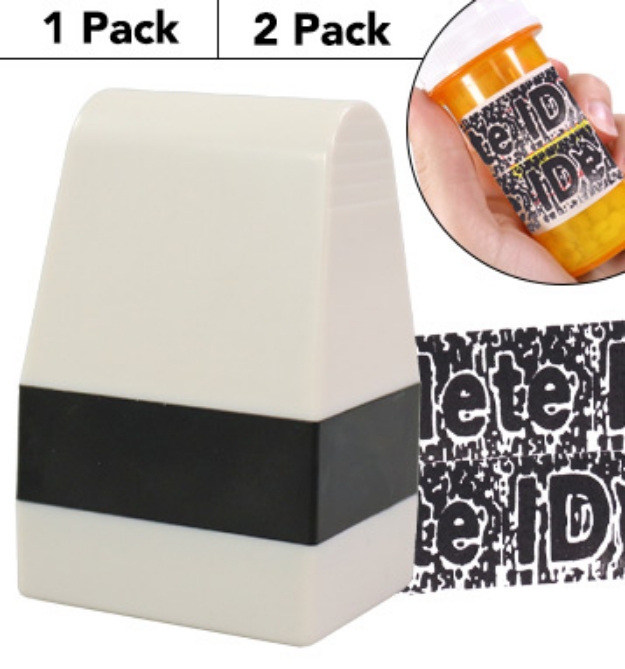
Privacy Protection Stamp Roller
$5.00
$19.99
Open enrollment means signing forms loaded with your SSN and account numbers. Roll this stamp over old paperwork before recycling so identity thieves never get a chance to see it.
|
|
|
|
|
It's a Small Paperwork Check With Big Savings
|
|
Twenty minutes with a stack of benefits paperwork is not most people's idea of a good time, but it might be the highest paying twenty minutes of your entire year. A better plan match, a maxed out HSA, and an FSA balance that actually gets used can easily add up to hundreds of dollars you were about to leave on the table.
That is living thrifty at its core, not spending less, just making sure the money and benefits you already have are actually working for you.
|
|
Got a tip of your own? Reply back to me, I love reading your tips and ideas!
|
|
GopherCentral & PulseTV
2328 E Lincoln Hwy #358
New Lenox, IL 60451
Whitelist anisaa@gophercentral.com
|
|