
|
|
September 28, 2026
|

Hello Friends,
Here's something I ignore every single year until my dashboard starts yelling at me about it. The second the mornings turn cold, that little tire pressure light flips on, and somehow it still catches me off guard, like it did not know this was coming every October.
I used to just drive around with the light lit up, telling myself I would deal with it later, whenever later was. Then a mechanic pulled up my tires on the lift, pointed at the uneven wear from months of driving low, and quoted me almost $600 for a full new set. My stomach dropped right there in the waiting room.
Turns out the actual fix costs next to nothing. A five minute check with a ten dollar gauge from the gas station and I caught the problem before it turned into an expensive one. Now I check my tires the first cold weekend of the season, every single year, and I have not paid for an early tire replacement since. There is something oddly satisfying about outsmarting your car before it outsmarts your budget.
Be Well,
Anisa
Please add anisa@gopher-deals.com to your address book or visit here.
|
|
Why Tire Pressure Matters
|

|
|
Photo: Five minutes with a ten dollar gauge saved me a $600 mechanic bill this fall.
|
|
As the temperature drops, so does the air pressure in your tires. For roughly every ten degree drop in outside temperature, tires lose about one pound per square inch (psi) of pressure. That sounds small, but over a whole fall and winter it adds up fast, and most of us do not notice until the dashboard warning light finally flips on, or worse, we do not notice at all.
Driving on underinflated tires quietly costs you in more ways than one. It drags down your gas mileage by a few percent, wears down your tread unevenly so you need new tires sooner than you should, and raises your risk of a blowout on the highway. Catching it early with a quick check is free. Catching it late, like I did, comes with a bill that stings.
|
How To Do It
|
|
1. Find your number.
Check the sticker inside your driver's side door jamb, not the number printed on the tire itself. That sticker lists the pressure your specific car actually needs.
2. Grab a gauge.
A basic tire pressure gauge runs about $10 at any gas station or auto parts store, and it will last you years. Keep it in your glove box so you never have to hunt for it.
3. Check tires cold.
Test your pressure first thing in the morning before you have driven anywhere. Driving warms up the air inside the tire and throws off the reading.
4. Add or release air as needed.
Most gas stations have a free or coin operated air pump right next to the fuel pumps, so this step takes just a few extra minutes on your next fill up.
5. Do not skip the spare.
It is easy to forget, but a flat spare defeats the whole purpose of having one in an emergency.
6. Set a recurring reminder.
Put a reminder on your phone for the first weekend of every month through the cold season, so the check becomes a habit instead of a surprise.
|
|
Today's Thrifty Find
|
|
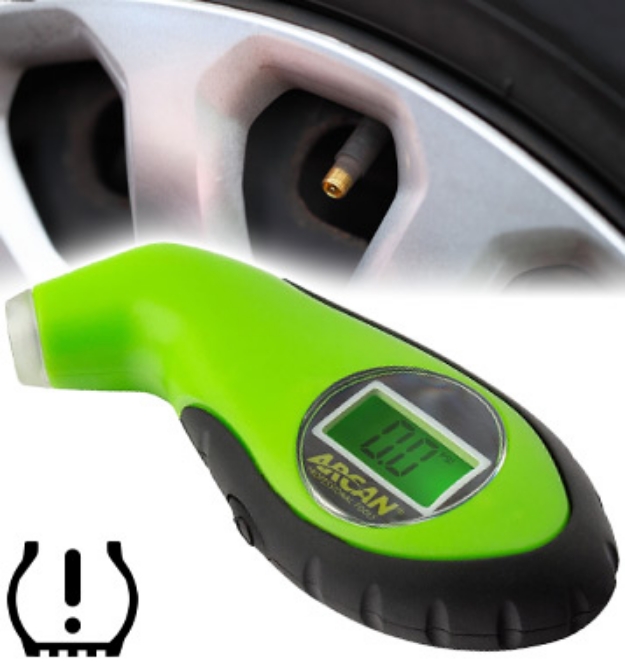
Portable Light-Up Always-Ready Digital Tire Gauge
$7.99
$17.99
This lighted gauge reads pressure in seconds, even in a dark driveway before sunrise, and clips right onto your visor or glove box so it never goes missing when the temperature drops.
|
|
|
|
|
It's a Small Check With Big Savings
|
|
Ten minutes and a ten dollar gauge against a $600 mechanic bill is not a close call. This is exactly the kind of small, boring habit that living thrifty is really about, catching the little things before they turn into big ones.
Make the check part of your fall routine now, and let your wallet thank you all winter long.
|
|
Got a tip of your own? Reply back to me, I love reading your tips and ideas!
|
|
GopherCentral & PulseTV
2328 E Lincoln Hwy #358
New Lenox, IL 60451
Whitelist anisaa@gophercentral.com
|
|