August 26, 2026
What Could Winter 2026–2027 Have in Store?
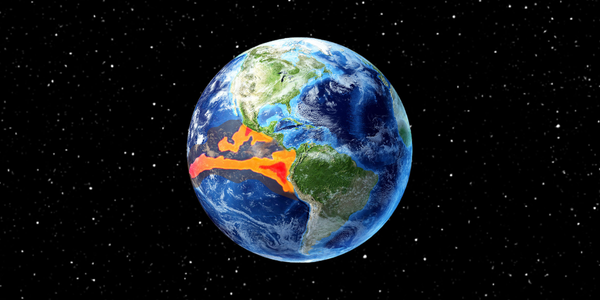
It may still feel way too early to start thinking about snow shovels, icy roads, and freezing temperatures, but winter weather predictions are already starting to roll in. And if the early outlooks are right, the winter of 2026–2027 could be an interesting one.
One of the biggest factors forecasters are watching this year is
El Niño. NOAA says El Niño is strengthening, with more than a 90 percent chance that it will become a very strong event during the fall and winter of 2026–2027. That matters because El Niño can have a major influence on where storms travel, how much precipitation different parts of the country receive, and even how temperatures behave.
So, what could that mean for us?
For much of the northern United States, including the Midwest and Great Lakes, winter may not necessarily mean nonstop bitter cold. Instead, the season could bring plenty of ups and downs. The Farmers’ Almanac is predicting temperatures near normal overall across much of the Upper Midwest and Great Lakes, but that average could be a little misleading. There may still be quick blasts of bitter cold, fast-moving snow systems, strong winds, and snow squalls, followed by stretches of milder weather.
In other words, it could be one of those winters where you are bundled up from head to toe one week and wondering why it feels strangely warm a few days later.

he southern half of the country may have a different story. A strong El Niño often encourages a more active southern storm track, and the Farmers’ Almanac is calling for wetter and stormier conditions across parts of California, the Southwest, Texas, the Gulf Coast, and the Southeast. Depending on temperatures, some of those storms could occasionally bring ice, sleet, or even wet snow to places that do not see it very often.
The Northeast could also have a messy winter. Forecasters are watching the possibility of storms that could bring everything from rain to freezing rain and heavy, wet snow. Small temperature changes can make a huge difference, which means some storms may be difficult to predict until just a few days before they arrive.
Of course, long-range winter predictions come with an important warning. Nobody can tell us in August exactly how many snowstorms we will get in January or whether a major blizzard will hit a particular city. NOAA's seasonal outlooks are designed to show broader temperature and precipitation trends, not predict individual storms months ahead.
So, should you buy an extra snow shovel just yet? Maybe not. But if these early predictions are any indication, winter 2026–2027 could bring a little bit of everything. Snow, cold snaps, warm-ups, ice, rain, and rapidly changing conditions may all be part of the picture.
Basically, winter may keep us guessing. And depending on where you live, you might want to keep the snow boots, umbrella, and ice scraper handy.
Until next time -
Jeanie @ Gopher Update