August 10, 2026
Tipping Fatigue Is Real, Here's Why
Tipping used to feel pretty simple. You left a little extra for your server at a restaurant, your hairstylist, the pizza delivery driver, or maybe the bartender who kept your glass full. It was a way to say thank you for great service, and most people didn't think twice about it. Today, though, tipping has become a much bigger conversation, and for many people, it feels like it has gotten completely out of hand.
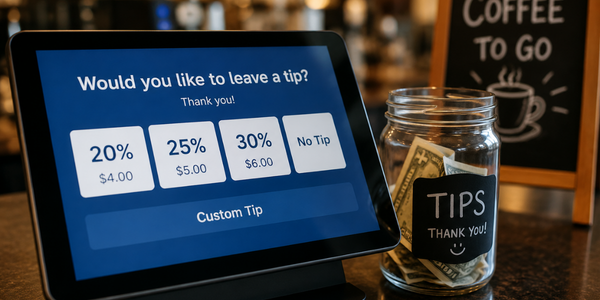
It seems like everywhere you go, someone is asking for a tip. Buy a cup of coffee, and the payment screen suggests adding 20 percent. Pick up takeout that someone simply handed across the counter, another tip screen appears. Even self checkout kiosks and automated ordering systems have started asking customers if they would like to leave a gratuity. It is enough to make anyone wonder if tipping has gone too far.
Part of the reason people feel frustrated is because tipping requests have expanded far beyond traditional service jobs. Many customers do not mind rewarding someone who provides excellent personal service. The problem comes when they are asked to tip before receiving anything, or when the interaction lasts only a few seconds. It can leave people feeling pressured instead of appreciated.
Digital payment systems have also changed the game. Years ago, leaving a dollar or two in a tip jar felt optional. Now, bright screens display suggested tip amounts of 20 percent, 25 percent, or even 30 percent before you can finish paying. Declining often requires pressing a small "No Tip" button while the employee is standing right there. Even if nobody says anything, it can create an awkward moment that many customers would rather avoid.

Another issue is that consumers are already dealing with higher prices. Inflation has increased the cost of groceries, restaurants, entertainment, and just about everything else. After paying more for the actual product, adding another 20 percent or more can make even a simple purchase feel expensive. For families trying to stick to a budget, those extra dollars add up quickly.
Of course, there is another side to the discussion. Many workers rely on tips because their base pay is low. Restaurant servers in particular often depend on gratuities to make a livable income. Hair stylists, delivery drivers, hotel staff, and others also count on tips as an important part of their earnings. For these workers, generous customers can make a real difference.
That is why many people believe the bigger issue is not tipping itself, but how businesses pay their employees. Some argue that companies should provide higher wages instead of expecting customers to make up the difference. If workers earned more consistent pay, tipping could return to being what it was originally intended to be, a reward for outstanding service rather than something customers feel obligated to provide.
There is also the question of tip fatigue. When people are asked to tip everywhere they go, they may become less willing to tip in situations where it has traditionally mattered most. Constant requests can make tipping feel less meaningful and more like another hidden fee added to the bill.
In the end, tipping has become much more complicated than it used to be. Most people still want to reward good service and support hardworking employees. At the same time, many are growing tired of being asked to tip for every transaction, especially when little or no personal service is involved. Finding the right balance may require businesses, workers, and customers to rethink what tipping should look like in today's world. Until then, those payment screens are likely to keep asking the same familiar question, "Would you like to leave a tip?"
Until next time -
Jeanie @ Gopher Update