June 17, 2026
The Hidden Summer Danger Facing Your Pets
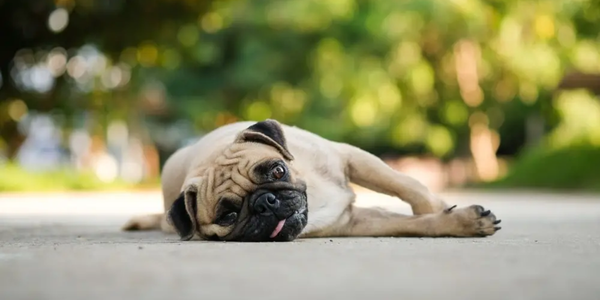
Heat Stroke and Pets: A Danger Every Pet Owner Should Know About
When temperatures rise, most of us know to grab a cold drink, stay in the shade and avoid spending too much time outdoors. Unfortunately, our pets cannot always protect themselves from the heat, which is why heat stroke is one of the most serious warm weather dangers they face.
Heat stroke happens when a pet's body temperature rises to a dangerous level and they can no longer cool themselves down effectively. Unlike humans, dogs and cats do not sweat through their skin the way we do. Dogs mainly cool themselves by panting, while cats rely on grooming and finding cool places to rest. When the weather becomes too hot or humid, these natural cooling methods may not be enough.
One of the biggest mistakes pet owners make is leaving a pet in a parked car. Even when the outside temperature feels mild, the inside of a vehicle can heat up quickly. Cracking the windows does very little to lower the temperature. Within minutes, a car can become dangerously hot, putting a pet's life at risk.
Heat stroke can also occur during walks, outdoor play sessions or long periods spent outside without adequate shade and water. Certain pets are especially vulnerable. Older animals, puppies, kittens, overweight pets and breeds with short noses such as Bulldogs, Pugs and Persian cats often struggle more in hot weather.

Recognizing the signs of heat stroke is critical. Early symptoms may include excessive panting, drooling, weakness, rapid breathing and bright red gums. As the condition worsens, pets may become disoriented, vomit, collapse or even experience seizures. Heat stroke is a medical emergency and requires immediate attention.
If you suspect your pet is suffering from heat stroke, move them to a cooler area right away. Offer cool, not ice cold, water if they are able to drink. You can place cool, damp towels on their body, especially around the neck, chest and paws. Avoid using ice water because cooling a pet too quickly can sometimes cause additional problems. Contact a veterinarian immediately, even if your pet seems to improve, because internal damage may not be visible.
The good news is that heat stroke is often preventable. Always provide fresh water and access to shade when pets are outside. Schedule walks during the cooler morning or evening hours. Limit strenuous activity on hot days and pay attention to how your pet is behaving. If they seem tired or uncomfortable, head indoors and let them cool down.
Summer should be a fun season for both people and pets. A little extra awareness can go a long way toward keeping our furry family members safe. By recognizing the risks of heat stroke and taking simple precautions, pet owners can help ensure their pets stay healthy, comfortable and happy all summer long.