April 06, 2026
NASA Is Headed Back to the Moon, Here’s Why It Matters
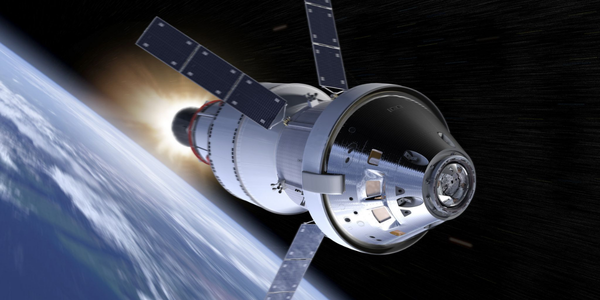
It’s kind of wild to think that NASA is heading back to the Moon after more than 50 years. The last time humans walked on the lunar surface was during Apollo 11 in 1969, when Neil Armstrong took those first iconic steps. Now, instead of it being a one-time achievement, the goal is much bigger, NASA wants to build a long-term presence on the Moon.
This new effort is called the Artemis program, and it’s designed to take things further than the Apollo missions ever could. Instead of just landing and leaving, Artemis is focused on sustainability, meaning astronauts will return regularly, conduct more in-depth research, and test technologies that could eventually help humans travel to Mars.
The missions are happening step by step. Artemis II will send astronauts around the Moon without landing, kind of like a dress rehearsal to make sure everything works safely with a crew on board. After that, Artemis III is planned to land astronauts on the Moon’s surface. One of the biggest milestones is that this mission aims to land the first woman and the first person of color on the Moon, which shows how space exploration is becoming more inclusive.

What makes this different from the past is the technology. NASA is using more advanced spacecraft, like the Space Launch System rocket and the Orion capsule, which are built to handle deeper space missions. There’s also a plan to build something called the Lunar Gateway, a small space station that will orbit the Moon and act as a sort of pit stop for astronauts. That way, missions can be more flexible and last longer.
Another big reason for going back is science. The Moon has a lot left to teach us, especially in places we have never explored before, like the south pole. Scientists believe there could be water ice there, which could be turned into drinking water, oxygen, or even rocket fuel. That would make future missions much easier and more sustainable.
So, this isn’t just about revisiting history, it’s about building the future of space travel. NASA going back to the Moon feels less like a repeat of the past and more like the start of something new, something that could eventually take humans even farther into space.
Until next time -
Jeanie @ Gopher Update