March 02, 2026
The 10-Second Grocery Cart Test That Reveals Your Personality
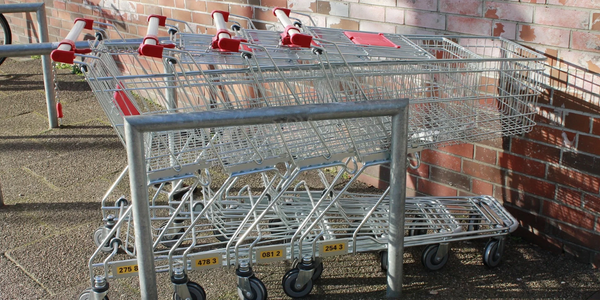
Have you ever noticed how something as small as returning your grocery cart can turn into a full blown debate? Some people walk it back to the cart corral without thinking twice. Others leave it perched on a curb, tucked onto a median, or rolling freely across the parking lot like it has a destination of its own. It seems minor. After all, you are done shopping. But psychologists suggest this tiny decision may reveal more about your personality than you realize.
At first glance, returning your cart looks like a simple matter of convenience. You are tired, maybe juggling kids or checking your phone, maybe it is raining. But here is the interesting part. There is usually no real consequence for leaving it. No one is handing out tickets. There is rarely public recognition for returning it either. This is what makes it psychologically meaningful. It is a behavior that depends almost entirely on internal motivation.
Psychologists often talk about something called conscientiousness, one of the Big Five personality traits. Conscientious people tend to be organized, responsible, and aware of how their actions affect others. If you automatically return your cart, even when no one is watching, that can reflect a strong sense of personal responsibility. You are likely someone who follows through, values order, and considers the impact of small actions.

There is also the concept of prosocial behavior. Prosocial actions are things we do that benefit others, even if we do not get anything in return. Putting your cart back keeps parking spaces clear and prevents damage to other cars. It helps store employees who already have plenty to do. Choosing to return it can signal empathy and awareness. It suggests you are tuned in to the shared environment and the people in it.
On the other hand, leaving your cart behind does not automatically mean you are selfish or careless. Context matters. Maybe you had a stressful day. Maybe you were distracted. Psychologists remind us that behavior is influenced by both personality and situation. Still, patterns matter. If someone consistently prioritizes convenience over communal responsibility, that might reflect a stronger focus on individual needs.
There is also something fascinating about moral identity. Some researchers argue that small, everyday choices reinforce how we see ourselves. When you return your cart, you may be quietly affirming, I am the kind of person who does the right thing, even when it is small. Over time, these tiny acts shape self perception. They build a sense of integrity that extends beyond the parking lot.
Social norms play a role too. If most people in a parking lot return their carts, others are more likely to follow. Humans are wired to observe and copy group behavior. So your choice can subtly influence others. That means returning your cart is not just about personality, it is about culture and shared expectations.
Here is the truth. The grocery cart test is not a clinical diagnosis. It is not listed in any official manual. But it is a simple window into how we handle responsibility when no reward or punishment is attached. It asks a quiet question. Do you act in ways that support the larger community, even when you do not have to?
Next time you finish unloading your groceries, pause for a second. That short walk to the cart return might be more than a chore. It might be a small reflection of your values, your empathy, and how you show up in everyday life. And sometimes, it is the smallest habits that say the most.