January 26, 2026
Things Plumbers Say to Do Before a Freeze
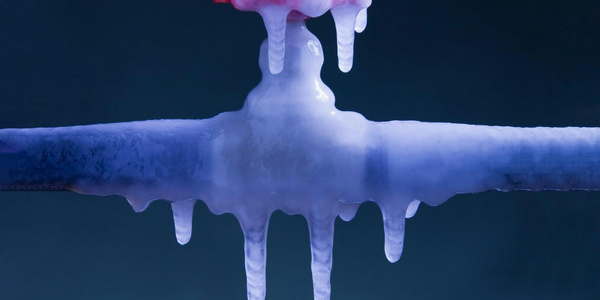
When the weather forecast starts throwing around the word “freeze,” most plumbers will tell you the same thing, do not wait until the last minute. A hard freeze can turn small, easy-to-prevent issues into expensive, stressful repairs almost overnight. The good news is that a little preparation goes a long way, and none of this requires you to be a plumbing expert. These are the things plumbers consistently say you should always do before a freeze hits, explained in plain, everyday language.
First, find and shut off outdoor water sources. Exterior faucets, hose bibs, and irrigation lines are some of the most common places for freeze damage. Disconnect all garden hoses and store them indoors, even if you think you might need them again. Water trapped in a hose can freeze, expand, and push back into the pipe, causing it to crack. Once the hose is off, shut off the valve that supplies water to the outdoor faucet if you have one. After turning it off, open the faucet outside to drain any remaining water. Plumbers see this step skipped all the time, and it is often the reason for burst pipes in spring.
Next, insulate exposed pipes. Any pipes in unheated areas like garages, basements, crawl spaces, or attics are at higher risk. Plumbers recommend foam pipe insulation, which is inexpensive and easy to install. You simply slide it over the pipe and secure it. Even wrapping pipes with towels or blankets in a pinch is better than doing nothing. The goal is to slow heat loss long enough to keep water from freezing inside the pipe.
Another big one is sealing up drafts around pipes. Cold air can sneak in through small gaps where pipes enter the house, especially around exterior walls. Plumbers often suggest using caulk or expanding foam to seal these openings. This keeps freezing air away from the pipes and also helps your home stay warmer overall, which can lower heating costs during the winter.
Inside the house, keep a steady temperature. Plumbers will almost always warn against turning the heat way down or off when a freeze is coming, even if you plan to be away. Keeping your home at a consistent temperature helps protect the plumbing hidden inside walls. If you are leaving town, set the thermostat no lower than 55 degrees. It may feel wasteful, but it is far cheaper than repairing water damage from frozen pipes.
Open cabinet doors under sinks, especially in kitchens and bathrooms on exterior walls. This allows warm air from your home to circulate around the pipes. Plumbers see frozen pipes under sinks more often than people expect, and simply opening those cabinet doors can make a noticeable difference.
Know where your main water shutoff valve is and make sure it works. This is advice plumbers give year round, but it becomes critical during a freeze. If a pipe does burst, shutting off the water quickly can prevent extensive damage. Take a few minutes before winter to locate the valve and test it so you are not scrambling during an emergency.
Finally, do not ignore slow drains or small leaks before a freeze. Plumbers will tell you that minor issues can become major problems when temperatures drop. Water that sits or drips slowly is more likely to freeze. Fixing those small problems ahead of time gives your plumbing system a better chance of making it through cold weather without surprises.
Preparing for a freeze does not have to be complicated or expensive. Plumbers agree that a little planning, some basic insulation, and a few simple habits can protect your home and your wallet. When winter weather rolls in, you will be glad you took the time to get ahead of it.
Until next time -
Jeanie @ Gopher Update