November 19, 2025
Fizzy Facts You Never Knew About Your Favorite Drinks
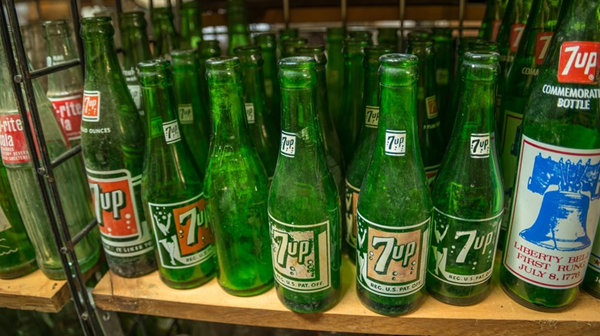
Today's one of those quirky little holidays that actually deserves a toast because it's National Carbonated Beverage Day. So if you needed an excuse to crack open something bubbly, consider it official. Funny how a simple mix of water, bubbles, and sweet flavoring somehow became a global obsession, but here we are. And the road to get here is a whole lot stranger and more interesting than most people realize.
The story really starts back in 1819, when a young physician named Friedlieb Ferdinand Runge discovered caffeine. That single moment lit the fuse for everything from morning coffee addictions to late-night soda cravings. Runge didn't know it at the time, but he basically unlocked the key ingredient that would end up powering more than a century of fizzy favorites.
Jump ahead to 1905 in Missouri, where Coca-Cola started manufacturing soda with caffeine extracted from tea leaves. Back then, giving a bubbly drink a little wake-up factor was pretty bold. But people loved it, and let's be honest, they still do. Nothing quite hits like an ice-cold soda when you're dragging mid-afternoon.
Here's something most people never guess. Carbonated drinks are the third most consumed beverage in the world, and the average person downs four times more soda than fruit beverages each year. We all talk about trying to be healthy, but when it comes time to choose between apple juice and something with fizz, the bubbles win in a landslide.
And in case you think Coca-Cola was first to the party, it wasn't. The oldest soda on record is Dr. Pepper, created in 1885. One year later Coca-Cola showed up, quickly snatched the spotlight, and never let go. Today it's still the world's most famous caffeinated soft drink. Whether you drink it or not, that kind of staying power deserves a tip of the hat.
Now here's where carbonated beverages start getting downright weird. One of the strangest origin stories belongs to 7-Up. When it first launched, it wasn't even called 7-Up. It went by the catchy name "Bib-Label Lithiated Lemon-Lime Soda." And yes, lithiated means exactly what you think it does. The original formula included lithium citrate, a legit mood stabilizer. People were literally drinking their way to a better mood. Imagine that label today. Folks would lose their minds.

Speaking of mind-blowing, McDonald's is basically the planet's soda fountain. Worldwide, the Golden Arches serve an estimated 9 to 15 million soft drinks every single day. That shakes out to somewhere between 3.3 and 5.5 billion sodas per year. No wonder their fountain Coke tastes different. It's practically its own weather system.
And of course, we can't ignore the true soda super-consumers out there. One man in the U.K. became famous for averaging 25 cans of Diet Coke a day for years. I don't know what his doctor thought of that, but the guy swore by it. That's dedication, or something close to it.
Over the years, carbonated drinks have been pitched as medicine, sold as mood boosters, cherished by homesick soldiers, and used as a taste of nostalgia. Early pharmacists even marketed carbonated mineral water as a cure-all, promising everything from calmer stomachs to clearer minds. Leave it to us to take something therapeutic and turn it into a global sugar rush.
So today, when you crack open a cold one, cola, lemon-lime, root beer, whatever, remember you're drinking more than a soda. You're sipping on two centuries of chemistry, culture, wild experiments, oddball marketing, and enough fizz to keep the world hooked. Cheers to that.
Got an idea for an article?
Share it with me - you might just see it featured in a future newsletter.
Until next time,
Randy at Random Facts
Always Random. Never Boring