November 17, 2025
The Strange, Lucky Mistakes That Saved Millions of Lives
Alright, picture this. Last time we talked about ketchup being a legit medicine, remember? That's just the tip of the iceberg when it comes to the weird and wonderful world of medical history. Forget leeches, the real breakthroughs often came from accidents so random you wouldn't believe them.
Take painkillers, for example. For centuries, people were just chewing on willow bark whenever they had a fever or a headache. They didn't know why it worked-they just knew it did. Fast forward to the 1700s, and some English scientist confirms that willow bark actually does something. But the real turning point?
In the 1800s, chemists isolate the active ingredient, salicin, and refine it. It still left a trail of stomachaches until a Bayer chemist named Felix Hoffmann tweaks it into something gentler. And just like that, we get Aspirin, the same one that's probably sitting in your medicine cabinet right now. All thanks to some guy chewing tree bark hundreds of years ago. Crazy, right?
Then there's smallpox, the ultimate medical gamble. Back in the day, it was a straight-up killer, wiping out people left and right. But farmers noticed something strange. Milkmaids who caught cowpox, a mild disease from cows, never got smallpox. Apparently, a little cow disease was a secret superpower.
Doctor Edward Jenner hears the gossip, takes pus from a milkmaid's cowpox sore, and injects it into a kid named James. The kid gets a tiny illness, recovers, and when Jenner exposes him to actual smallpox, nothing happens. That's vaccination in a nutshell: using a mild virus to fight a deadly one. It's like practicing with a BB gun before stepping up to a tank.
Use a CPAP Machine? This EXACT CPAP Cleaner Sells for $79.99 at Walmart & Amazon - Yours Today for Just $29.99 (Offer Ends at Midnight!)
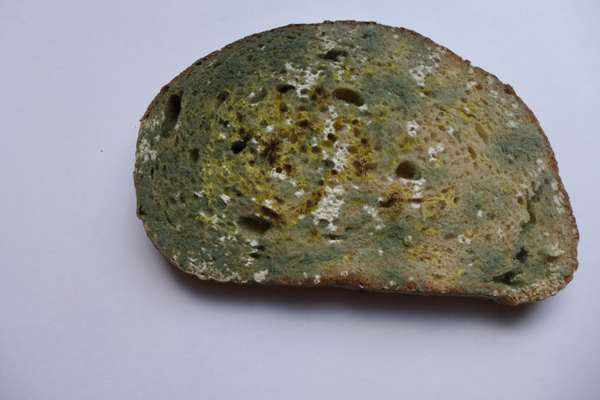
And my personal favorite, the moldy miracle, Penicillin. Alexander Fleming, a famously messy bacteriologist, leaves a petri dish out while he goes on vacation. When he comes back, it's covered in blue-green mold. But everywhere the mold grew, the deadly bacteria had vanished.
Fleming names it penicillin. He doesn't figure out mass production, but later scientists take his work and run with it. Suddenly, we have a drug that wipes out infections that would have killed our grandparents in days. All because one guy couldn't keep a lab clean.
The common thread here? Accidents, curiosity, and a little bit of luck. Messy labs, random observations, and people paying attention to what everyone else would have ignored ended up changing the world. Willow bark, cow diseases, mold in a dish-these are the things that turned medicine on its head.
Factoid of the Day
Bee stings are deadlier than you'd think. About 5,000 people die every year from severe allergic reactions to insect stings, with bees and wasps leading the count.
So next time you pop an aspirin, get a flu shot, or take antibiotics for a sinus infection, give a quiet nod to messy labs and lucky mistakes. Without them, we'd probably still be treating hangovers with leeches. What's your next round?
Got an idea for an article?
Share it with me - you might just see it featured in a future newsletter.
Until next time,
Randy at Random Facts
Always Random. Never Boring